
Yesterday, on the Fourth of July, I took a friend sailing in the San Juan Islands. The forecast called for 10 knots, and we expected a relaxed sail.
Instead, we found ourselves in 20-knot winds and four-foot chop in Rosario Strait. The plan we’d discussed at the dock was suddenly the wrong plan.
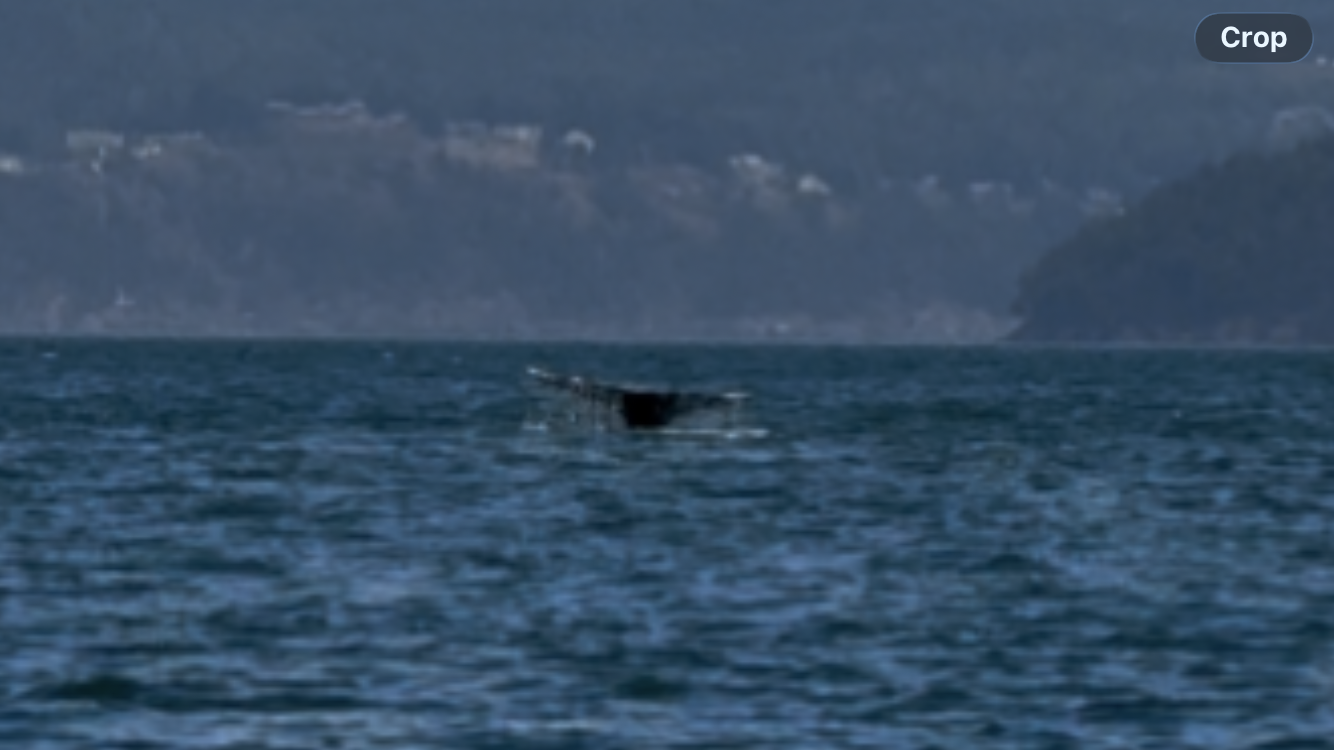
As we approached Lopez Pass—a narrow passage between Decatur and Lopez Islands—a whale surfaced nearby.
The sail left me thinking about three lessons. I suspect they apply well beyond sailing.
Adapt plans to changing conditions
The wind and chop quickly made our original plan obsolete. To keep the boat stable, I altered course so we met the waves at roughly 45 degrees instead of taking them broadside. The trip took longer, but it was safer and much more comfortable.
Good plans shouldn’t be abandoned at the first sign of change—but they should evolve as conditions change.
Automation doesn’t remove responsibility
Most skippers know that an autopilot doesn’t mean you can stop paying attention. You’re always responsible for the safety of your boat.
Running on autopilot through high winds, rough seas, and whales would be irresponsible. The autopilot is there to help, not to replace judgment. You have to know when to take the helm.
Respect power while staying watchful
As we approached Lopez Pass, we spotted a whale spout. My first reaction was to give it plenty of room while enjoying the sight. At the same time, I kept watching its movement, ready to change course if necessary.
When something is large and powerful, respect and vigilance go together.
As AI becomes part of more business decisions, I think these lessons become increasingly relevant. Conditions change. Automation helps but doesn’t replace accountability. And powerful tools deserve both trust and supervision.
I’ll explore those connections in future posts.